Getting Owens Corning Shingle Installation Right in North Texas
Why Owens Corning Shingle Installation Matters for North Texas Homes
When you live in North Texas, your roof takes a beating. The summer sun bakes asphalt shingles until they want to curl, and sudden spring hailstorms test every nail and seal. I have spent years working on roofs across this region, and I have seen what happens when a shingle job is done poorly. Leaks, warped decking, and expensive callbacks are the norm when shortcuts are taken. That is why getting the owens corning shingle installation right from the start is so important. It is not just about picking a brand. It is about understanding how the materials work with your specific roof deck, underlayment, and ventilation system.
Owens Corning makes some of the most reliable asphalt shingles on the market. Their Duration Cool line, for example, reflects more solar heat than standard shingles. That alone can lower attic temperatures by several degrees, which matters when your air conditioner runs half the year. But no shingle performs well if the installation is sloppy. The company provides detailed instructions, but the real test comes from years of experience with their products in our climate. I have installed and repaired roofs using Owens Corning shingles for over a decade, and I can tell you that the difference between a roof that lasts twenty years and one that fails at ten often comes down to a few key details.
Before you even open a bundle of shingles, the roof deck has to be right. In North Texas, many homes use dimensional lumber for decking. That is fine, but the deck must be flat, dry, and free of rot. Any high nails or loose boards will telegraph through the shingles over time. You also need a solid underlayment. I prefer an ice and water shield product in valleys and around penetrations like chimneys and skylights. For the rest of the roof, a good synthetic underlayment works well. It gives you a secondary layer of protection if wind-driven rain gets under the shingles. Do not skip this step. I have seen too many homeowners try to save a few dollars here and end up with a soaked attic after a heavy storm.
Choosing the Right Shingle for Your Roof
Owens Corning offers several lines, each designed for different conditions. The WeatherPro series is their standard three-tab shingle. It is affordable and performs well in moderate climates. But for North Texas, I lean toward Duration Cool or SilverTrail. Duration Cool has a special granule surface that reflects infrared light, which keeps the shingles cooler. That reduces thermal expansion and contraction, one of the main reasons shingles crack and lose granules. SilverTrail is a premium architectural shingle that gives a more dimensional look. It is heavier and has a thicker asphalt core, so it stands up better to high winds and hail.
Another option is the Dura Grip starter strip. Many people think you can just cut down a full shingle for the starter course. That works, but a dedicated starter strip like Dura Grip has a factory-applied adhesive strip that holds the first row in place. It also has a built-in drip edge that keeps water from backing up under the shingles. That small detail prevents rot along the eaves. I always use starter shingles on every roof I do. They cost a bit more, but they save a lot of trouble.
Tools and Fasteners That Make a Difference
You cannot install shingles well without the right tools. A good nail gun set to the proper pressure is faster and more consistent than hand nailing, but you have to adjust it for the shingle thickness. Too deep and you crack the fiberglass mat. Too shallow and the nails pop up later. I use SureNail brand coil nails for most of my work. They hold tight and resist corrosion. For the hip and ridge shingles, I switch to ring-shank nails for extra grip. That matters because ridge caps take a lot of wind load.
Ventilation is another area where many installations go wrong. A hot attic shortens shingle life dramatically. You need a ridge vent at the peak and proper intake at the eaves. Owens Corning recommends at least one inch of ventilation for every three hundred square feet of attic floor. That is the minimum. In our climate, I give it more. A ridge vent also keeps the roof deck cooler, which helps the shingles last longer. Without it, the heat builds up and the asphalt shingles soften, allowing granules to wash off. I have seen roofs where the granules were gone in five years simply because the attic had no airflow.
Step-by-Step: What a Proper Installation Looks Like
Let me walk you through a typical owens corning shingle installation on a North Texas home. First, we strip the old shingles if needed. You can sometimes lay new shingles over one layer of old ones, but only if the deck is sound. We check for rot and replace any damaged dimensional lumber. Then we install a drip edge along the eaves. That metal piece keeps water from wicking back under the shingles. Next comes the underlayment. We roll it out horizontally, overlapping each course by at least four inches. In the valleys, we add a thirty-six-inch-wide strip of ice and water shield.
We start the shingles at the bottom edge with a row of starter shingles. That gives a solid base and seals the eaves. Then we work our way up, staggering the joints so no two courses line up. Each shingle gets four nails placed in the nailing zone marked on the tab. We set the nail gun depth so the head is flush with the shingle surface, not sunk in. For the hip and ridge shingles, we cut them to length and bend them over the peak. Each one gets two nails on each side. The ridge vent goes under the last course of ridge shingles. We make sure it is continuous and not blocked by debris.
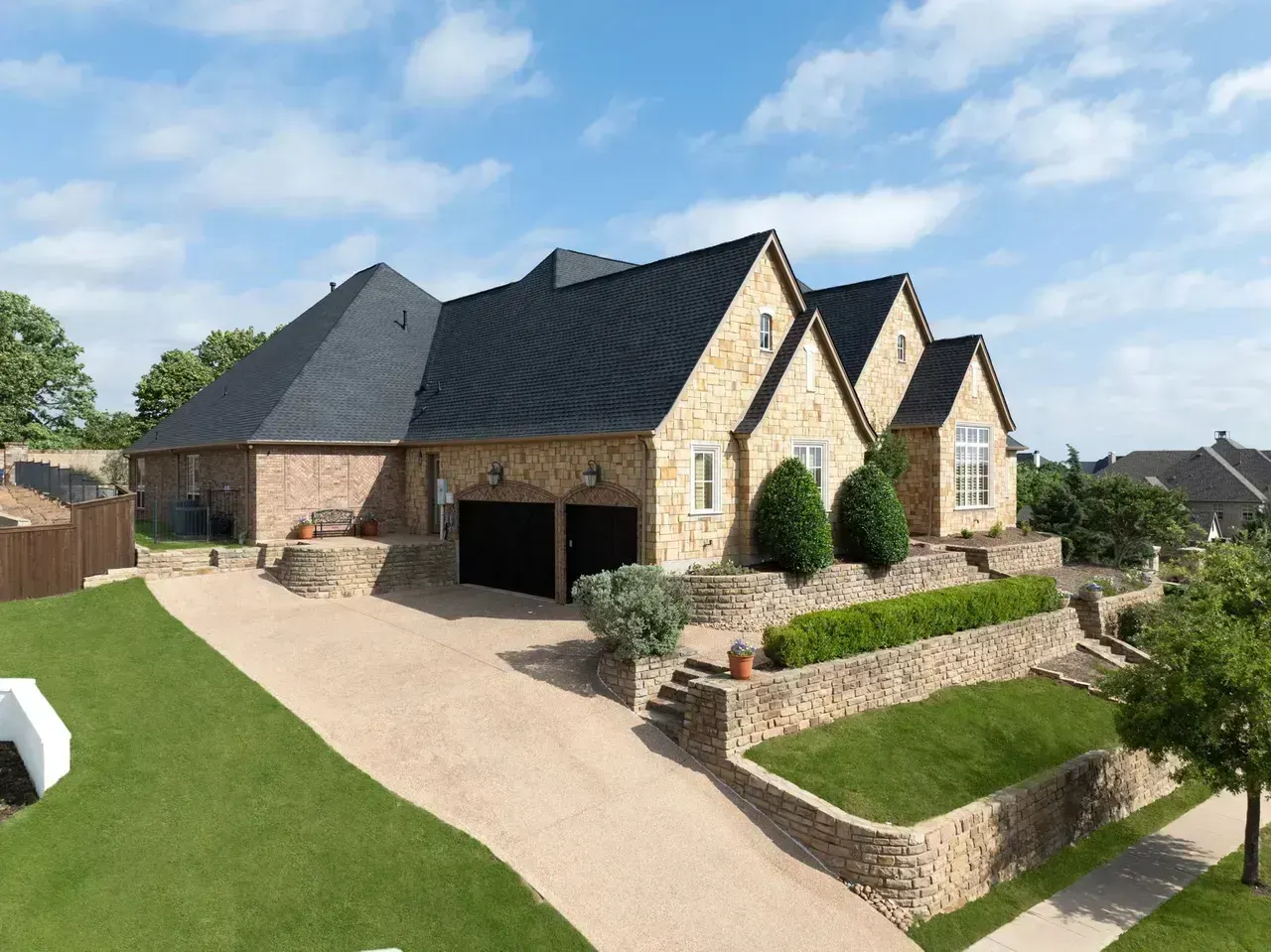
One common mistake is overdriving nails. It creates a dimple in the shingle that collects water and granules. Another is using too few nails. A shingle that flaps in the wind will eventually tear. Owens Corning specifies four nails per shingle for most slopes. That is the minimum. On a steep roof or in a high-wind area, I add an extra nail on each end. It is better to use a few extra nails than to replace shingles later.
Why Local Knowledge Matters
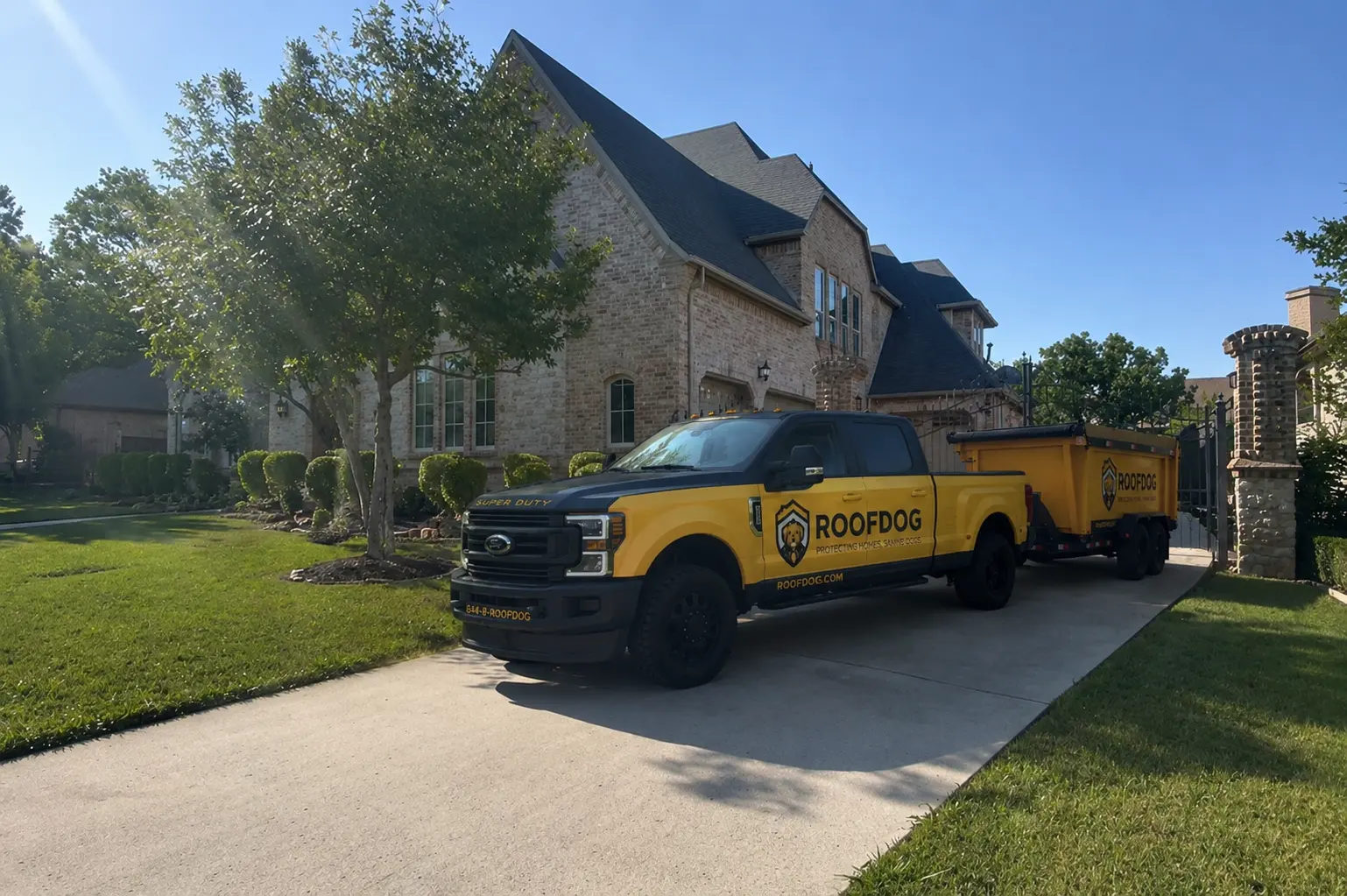
RoofDog has been serving North Texas for years, and we donate ten percent of our profits to local dog rescues. That mission keeps us accountable to the community. We see the roofs that other companies have done, and we learn from their mistakes. The heat here causes asphalt shingles to expand more than in cooler regions. That means you have to leave a small gap between shingles for expansion. If you butt them tight, they will buckle. The wind here can also lift shingles if the nailing is not secure. We use a pattern that puts extra nails near the edges for wind resistance.
Another local factor is the type of roof deck. Many older homes here have skip sheathing or spaced planks, which are not ideal for asphalt shingles. We always recommend a solid deck of plywood or OSB before installing shingles. If the deck is not solid, the shingles will sag between the boards and crack. We have seen that happen on several repair jobs. A good owens corning shingle installation starts with a good deck. That is non-negotiable.
Maintenance After Installation
Once the shingles are on, a little maintenance goes a long way. Keep the gutters clean so water flows freely. Trim tree branches that rub against the shingles and wear away the granules. Check the ridge vent every year to make sure it is not blocked by leaves or nests. If you see a shingle that has lost a lot of granules, replace it early. A bare spot can lead to a leak in just one heavy rain. Owens Corning shingles come with a warranty, but the warranty only covers manufacturing defects, not installation errors or lack of maintenance.

I have seen roofs that were installed poorly last barely a decade, while a well-done job with the same shingles goes twenty-five years. The difference is in the details: proper nailing, good ventilation, correct underlayment, and careful flashing around penetrations. If you are having your roof done, ask your contractor how they handle these steps. A company that takes the time to explain the process is usually one that cares about the outcome.
There is no substitute for experience. Every roof is a little different, and a good installer adapts. I have done hundreds of owens corning shingle installation projects, and I still learn something new on almost every one. That is the nature of the trade. The materials keep improving, but the basics stay the same: a flat deck, a solid underlayment, and shingles nailed right. Get those three things right, and your roof will take care of you for a long time.